


What Makes Dental Implants Different from Traditional Dentures or Bridges?
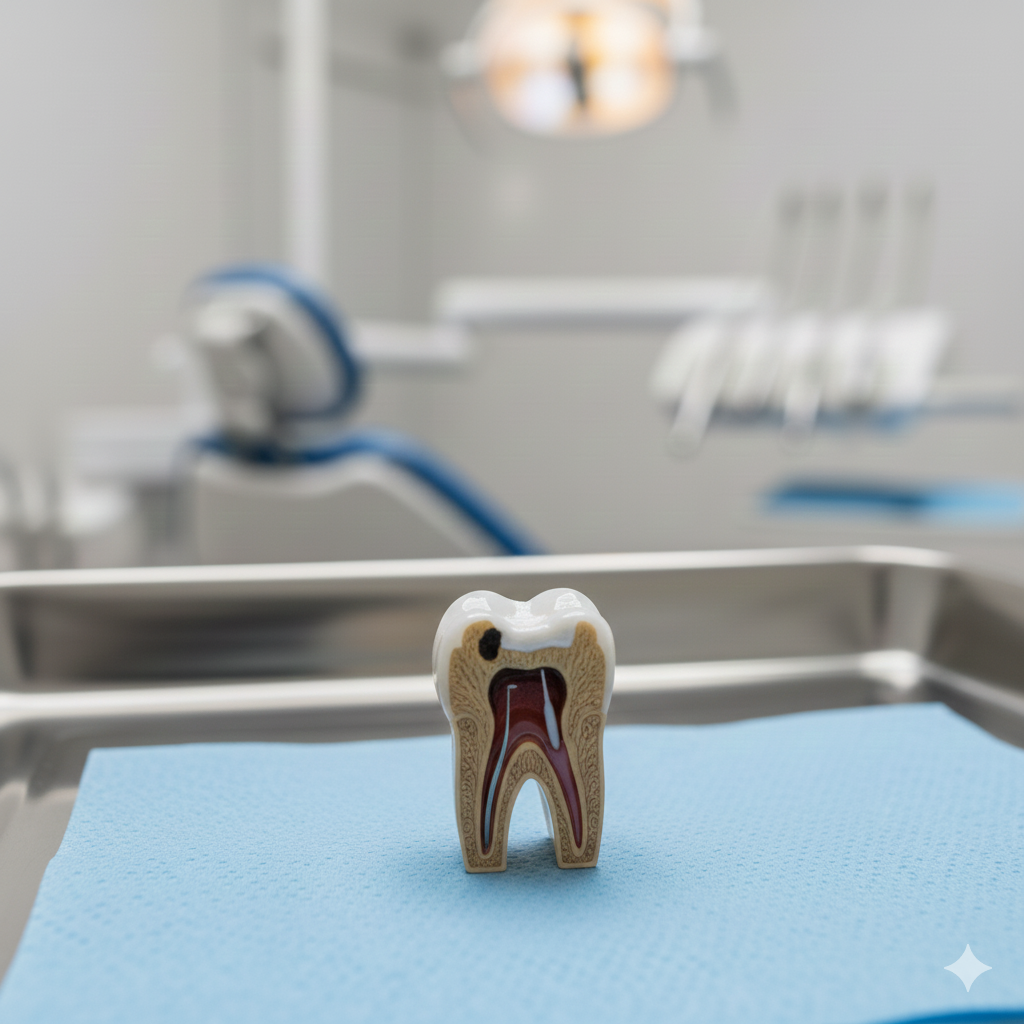
When a natural tooth is lost due to trauma, decay, or gum disease, the underlying jawbone begins to resorb because it no longer receives chewing stimulation. Traditional removable dentures rest on top of the gums and often slip, while dental bridges require shaving down two healthy adjacent teeth to anchor a false tooth. A dental implant is the only restorative treatment that replaces the tooth root itself using medical-grade titanium that fuses directly into your jawbone through a biological process called osseointegration.
The 3 Core Stages of Getting a Dental Implant
At Shekhar Dental and Orthodontic Center, we follow a minimally invasive, sterile protocol for maximum patient comfort:
- Phase 1: Digital Assessment & CBCT 3D Planning — We assess jawbone density and nerve pathways to ensure ideal post placement.
- Phase 2: Surgical Placement — Under computerized local anesthesia, the titanium fixture is inserted painlessly. Healing typically takes 8–12 weeks.
- Phase 3: Abutment & Crown Fitting — A custom-milled zirconia crown matched to your exact tooth shade is securely attached.
How Long Do Dental Implants Really Last?
With regular brushing, flossing, and semi-annual clinical dental checkups, the titanium implant fixture can last 25 years to a lifetime. The porcelain or zirconia crown on top may experience standard biting wear after 15–20 years and can easily be replaced without touching the underlying implant.
Dr. Prakash Thakur’s Advice for Implant Candidates
Candidates should have healthy gums and sufficient jawbone density. If bone height has reduced, minor bone grafting can re-establish the foundation. Smoking and uncontrolled diabetes require specialized management before surgery to ensure optimal healing.