

Why Does an Infected Tooth Hurt So Much?
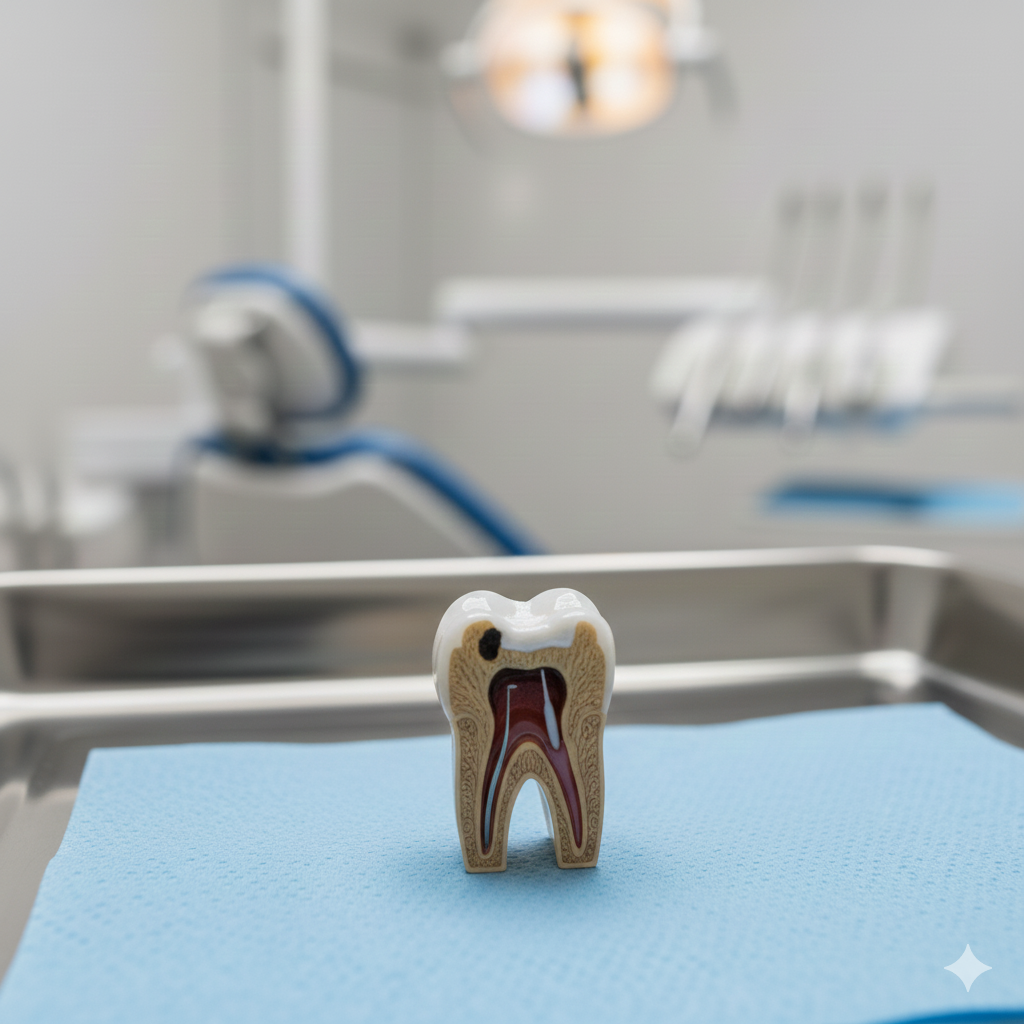
Inside every tooth lies a delicate pulp chamber filled with living blood vessels and nerve fibers. When bacteria breach the enamel through deep decay, trauma, or cracks, the pulp becomes inflamed (pulpitis). Because the tooth cannot expand, pressure builds up inside the rigid tooth walls, transmitting intense, throbbing pain into your jaw and ear.
Old Manual RCT vs Modern Rotary Endodontics
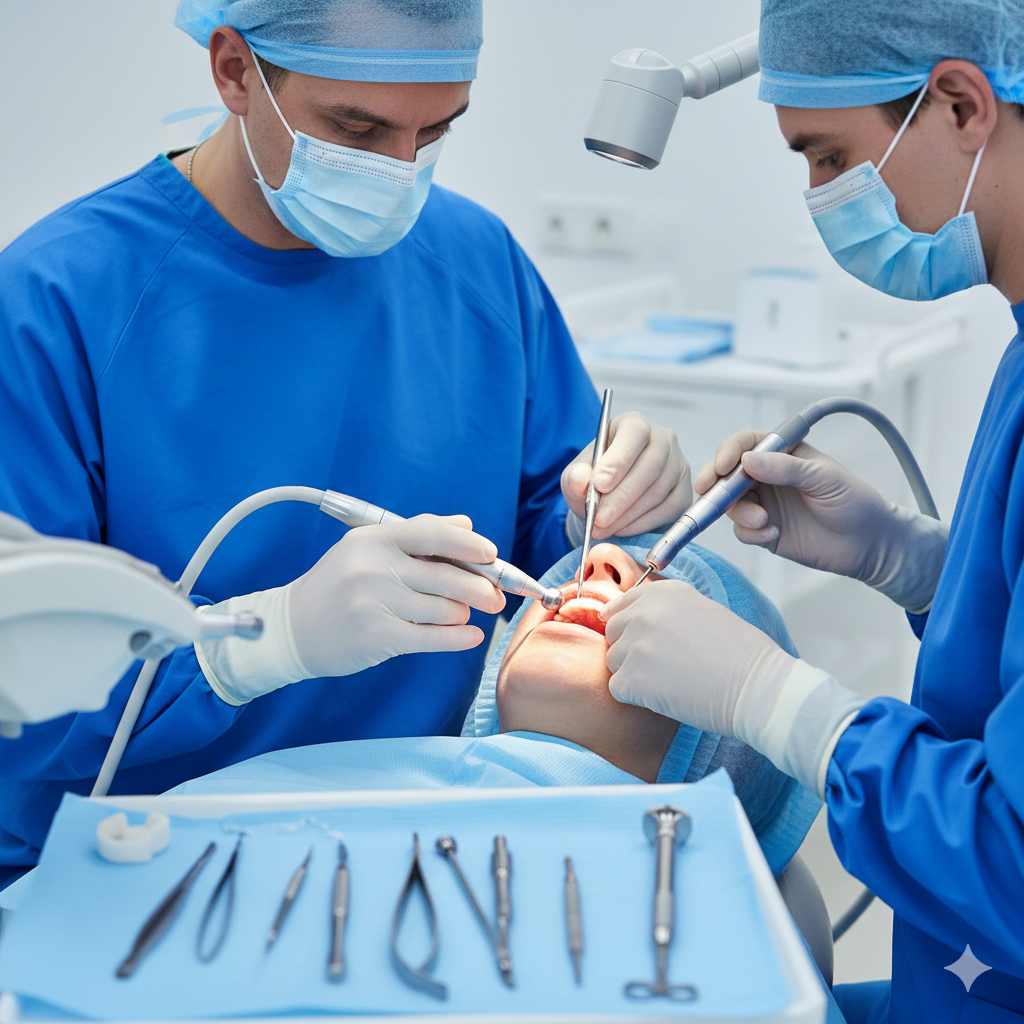
Decades ago, dentists used stiff manual stainless-steel files to scrape out the canals, which took multiple exhausting sessions and often caused post-operative soreness. Today, at Shekhar Dental Clinic, we utilize super-elastic nickel-titanium rotary files. These motorized instruments smoothly glide down the natural contours of your root canals with microscopic precision, disinfecting every crevice within 30 to 45 minutes.
Is Single-Sitting Root Canal Possible?
In approximately 70–80% of cases without active apical abscesses, single-sitting root canal therapy is not only possible but medically preferred. It reduces patient appointments, eliminates interim dressing leaks, and provides immediate pain relief.
Why a Post-RCT Crown is Non-Negotiable
Once the infected pulp is removed, the tooth loses its internal blood supply and becomes slightly brittle over time. A zirconia or PFM crown reinforces the remaining tooth structure, restoring 100% of your chewing force and preventing catastrophic fractures.