

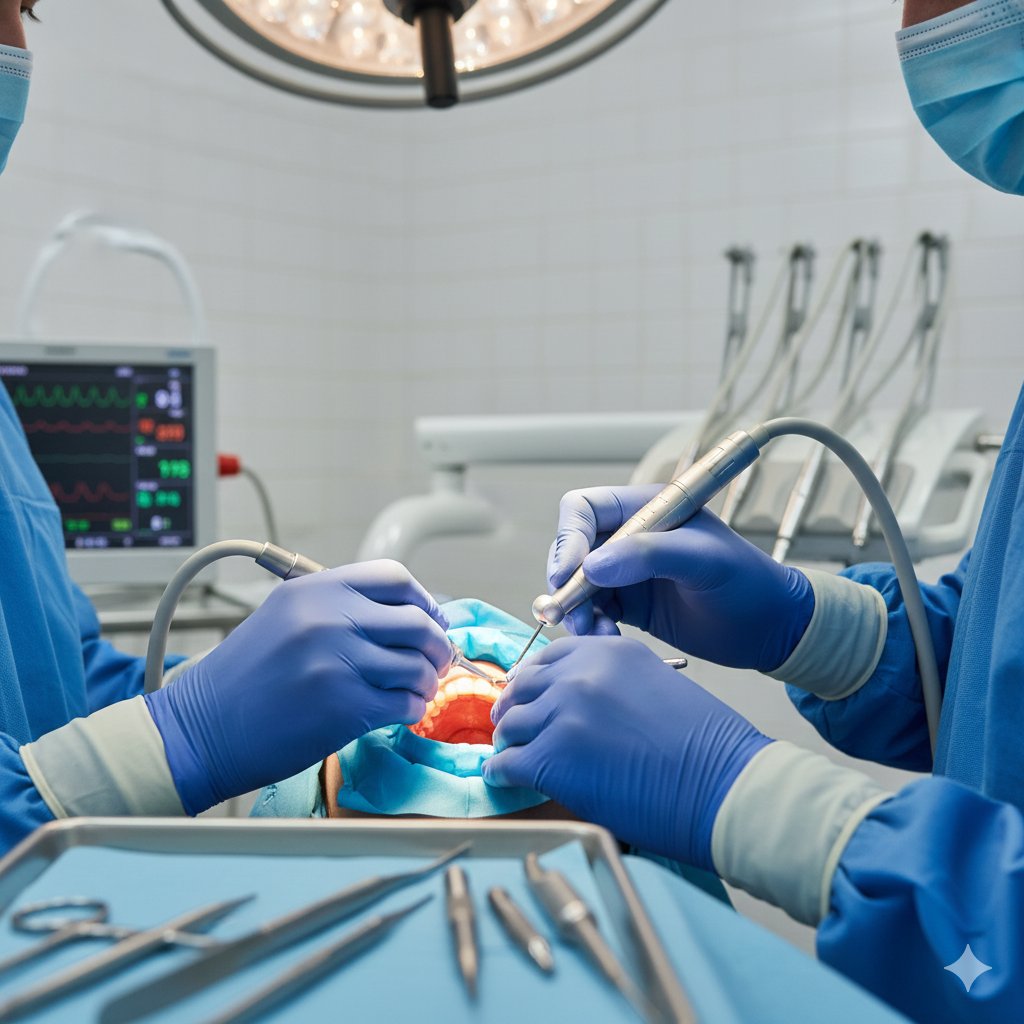
What is Dental Plaque and Why Does It Keep Coming Back?
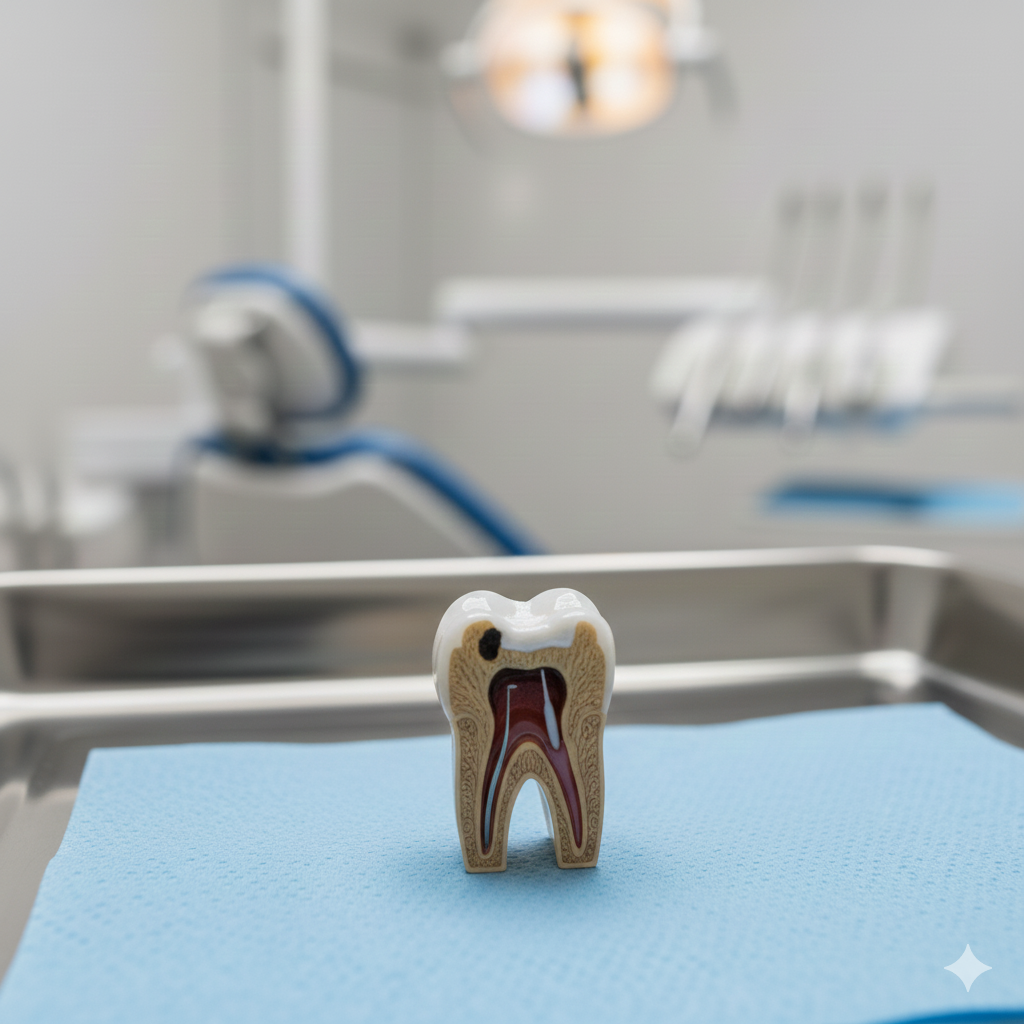
Dental plaque is a sticky, colorless biofilm of bacteria that constantly forms on the surfaces of teeth. The oral cavity hosts over 700 species of bacteria — most harmless, but several species including Streptococcus mutans (cavity-causing) and Porphyromonas gingivalis (gum disease-causing) can cause significant damage when they accumulate unchecked. Plaque forms within 4–8 hours of brushing and hardens into calculus (tartar) within 24–72 hours through mineralization by calcium and phosphate in saliva. Calculus is firmly attached to the tooth surface and cannot be removed by any toothbrush, toothpaste, or mouthwash — only professional ultrasonic instrumentation can remove it.
Debunking the Most Common Scaling Myths
"Scaling will loosen my teeth" is the most pervasive and damaging myth about dental cleaning in India. Here is the reality:
- MYTH: Scaling loosens teeth. FACT: Calculus has been literally gluing teeth to diseased gum tissue. When it is removed, patients briefly feel their teeth are more "mobile" — but the tooth itself is now free of destructive bacteria and the bone can begin healing. The looseness was caused by the disease, not the treatment.
- MYTH: My teeth become more sensitive after scaling. PARTIAL TRUTH: Exposed root surfaces covered by calculus may feel more sensitive temporarily when exposed to air and temperature — this resolves within 48–72 hours as the mineral surface remineralizes.
- MYTH: Scaling thins the enamel. FACT: Ultrasonic scalers are calibrated to remove deposits from the tooth surface without removing enamel. The high-frequency vibrations specifically target calculus, not tooth structure.
- MYTH: I only need scaling when my gums bleed. FACT: Even patients with apparently healthy gums accumulate calculus in difficult-to-reach areas. Subclinical calculus continues damaging bone invisibly. Prevention, not reaction, is the clinical standard.
Step-by-Step: What Happens During Your Scaling Appointment
Here is exactly what to expect during a professional cleaning at Shekhar Dental Clinic:
- Step 1 — Visual Examination: The dentist examines your teeth, gums, and oral mucosa. Pocket depths are probed and documented. Any new cavities are noted.
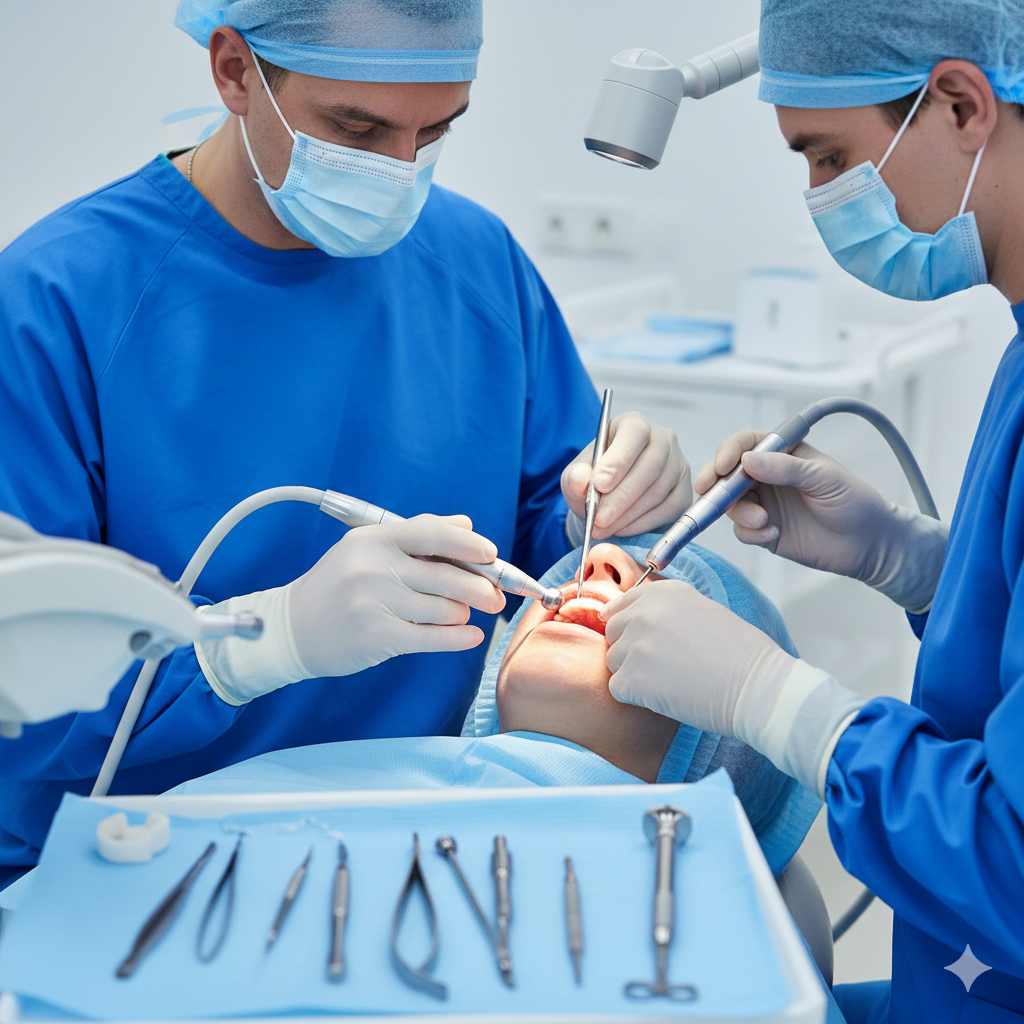
- Step 2 — Supragingival Scaling: An ultrasonic scaler emitting 25,000–50,000 Hz vibrations with a fine water spray efficiently shatters and removes calculus deposits from all visible tooth surfaces — front, back, and between teeth. This is not painful; you feel vibration and water, but no sharp discomfort unless gums are already very inflamed.
- Step 3 — Subgingival Scaling: Fine curettes are used to remove calculus deposits below the gum line in periodontal pockets. For moderate-to-deep pockets (>3mm), local anesthesia ensures complete comfort.
- Step 4 — Root Planing (if needed): In active periodontitis, root surfaces are smoothed to remove toxin-impregnated cementum and promote gum tissue reattachment.
- Step 5 — Polishing: A rotating rubber cup with fine prophylaxis paste removes residual stains and creates a smooth tooth surface that resists future plaque adhesion.
- Step 6 — Fluoride Varnish Application: A concentrated fluoride varnish is painted on all teeth to reduce post-scaling sensitivity and strengthen enamel.
How Often Do You Really Need Professional Cleaning?
The universal "every 6 months" recommendation is based on the average rate of calculus formation in healthy adults. However, frequency should be individualized based on risk factors:
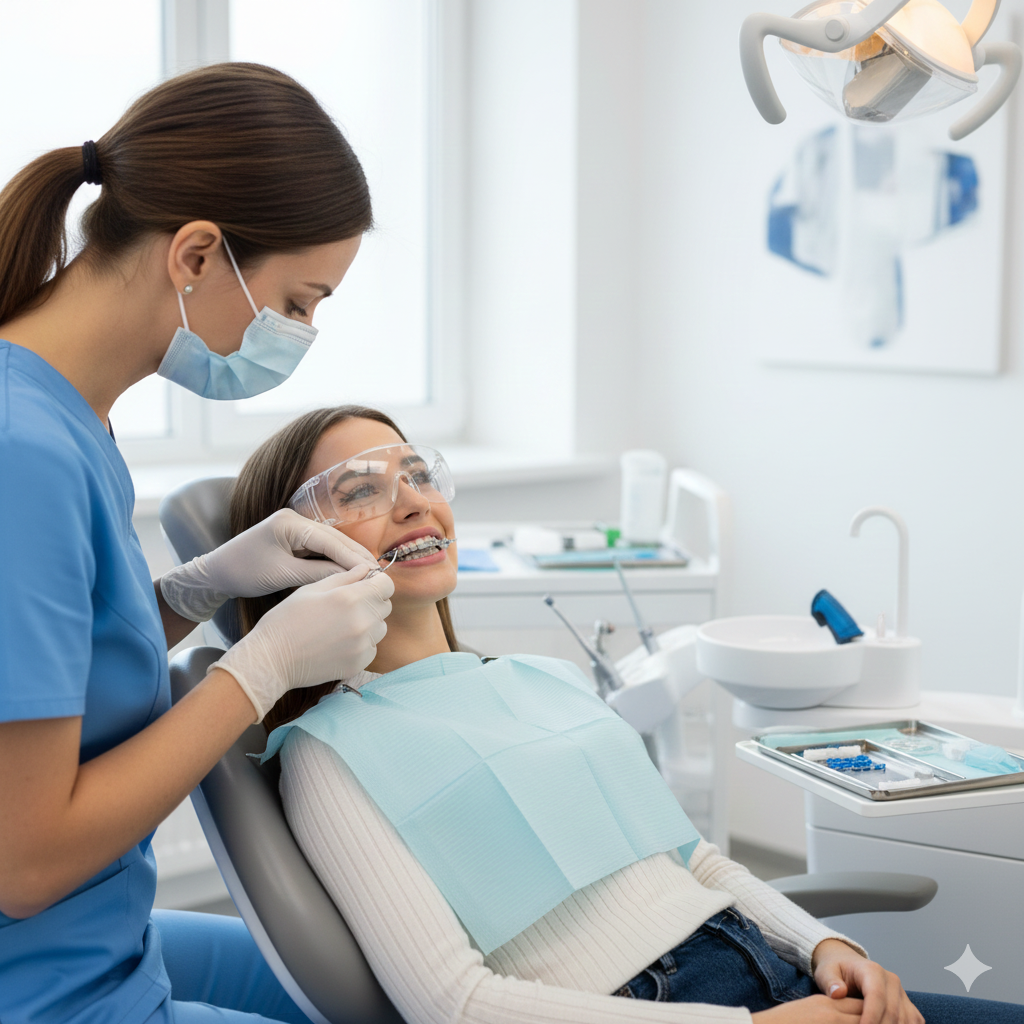
- Every 3–4 months: Patients with a history of periodontitis, active smokers, diabetics, or patients with orthodontic appliances (braces trap more plaque).
- Every 6 months: Most adults with good oral hygiene, low cavity history, and no gum disease — the standard recommendation.
- Once a year: Patients with exceptional oral hygiene, low calculus formation tendency, no risk factors — though 6-monthly is always preferable.
- At Shekhar Dental Clinic, scaling appointments (₹1,000) include a comprehensive dental examination, oral cancer screening, and diet counselling as part of the session.
After-Scaling Care: What to Do and What to Avoid
Maximizing the benefits of your professional cleaning:
- Avoid staining foods and beverages (tea, coffee, wine, turmeric) for 24 hours after polishing — the freshly polished surface is more porous temporarily.
- Use a fluoride toothpaste and soft brush immediately — do not delay brushing due to sensitivity.
- If sensitivity persists beyond 72 hours, use a sensitivity-formulation toothpaste (containing potassium nitrate or nano-hydroxyapatite).
- Begin daily flossing if not already doing so — this is the most critical maintenance step between scaling appointments.
- Avoid smoking for at least 48 hours — smoking impairs the healing of gum tissue after scaling.