
Why Do Teeth Discolor Over Time?
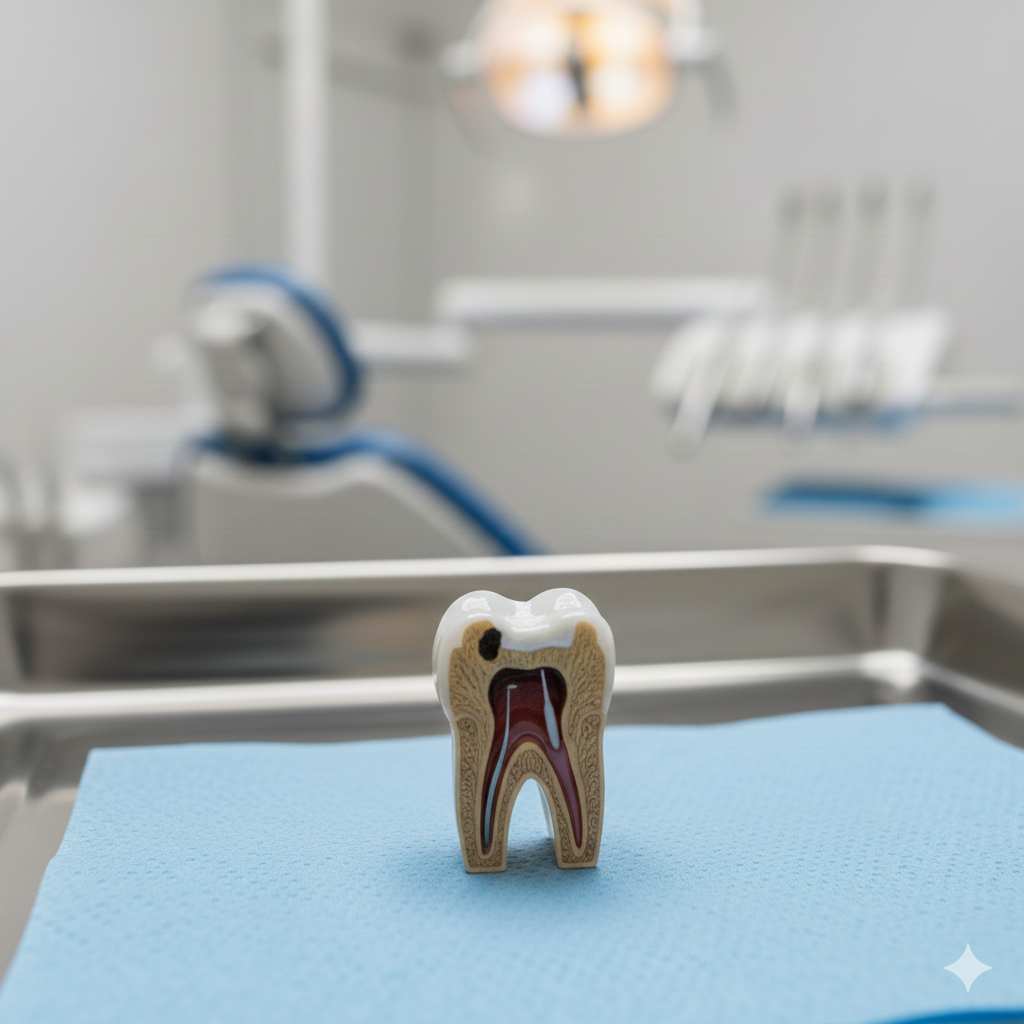
Tooth discoloration falls into two distinct categories, each requiring a different management approach. Extrinsic stains occur on the outer enamel from chromogens — pigment-carrying molecules found in tea, coffee, red wine, turmeric, cola, and tobacco. These stains bind to the protein-rich salivary pellicle coating the enamel and progressively darken the tooth surface. Intrinsic discoloration originates deeper within the dentin layer and is caused by aging (natural progressive yellowing), childhood tetracycline antibiotic use during tooth development, fluorosis from excessive fluoride ingestion during enamel formation, or internal staining after root canal treatment. Understanding which type of discoloration you have is essential before any whitening treatment.
Myth #1: Charcoal Toothpaste Whitens Teeth Naturally
Activated charcoal toothpastes have exploded on social media, marketed as natural, detox-based teeth whiteners. The reality is far more concerning. Charcoal is an extremely abrasive substance. While it may mechanically scrub away some surface stains in the short term, repeated daily use acts like fine sandpaper on your enamel, permanently scratching and thinning it. Paradoxically, thinner enamel reveals more of the naturally yellow dentin beneath — making teeth appear yellower over time. A 2019 review in the British Dental Journal found insufficient evidence that charcoal toothpastes are safe or effective for whitening, while documenting enamel damage risks.
Myth #2: Lemon Juice or Apple Cider Vinegar Bleaches Teeth
The highly acidic pH of lemon juice (pH 2–3) and apple cider vinegar (pH 2.5–3.5) can demineralize and dissolve calcium from tooth enamel on contact. This chemical erosion is permanent — once enamel is lost, it never regenerates. People who apply lemon juice to teeth report short-term whiteness because demineralization makes enamel appear chalky-white temporarily — but the underlying tooth is structurally weaker and more vulnerable to decay, fracture, and sensitivity. Dr. Prakash Thakur strongly advises against any acidic DIY whitening approach.
Myth #3: Whitening Toothpastes Provide the Same Results as Professional Bleaching
Over-the-counter whitening toothpastes typically contain a low concentration of hydrogen peroxide (1–3%) or mild abrasives. They can reduce some surface staining over weeks of use, but they lack the concentration and contact time to penetrate enamel and lighten the dentin layer where the deepest discoloration lives. Professional in-clinic bleaching uses 25–40% hydrogen peroxide activated by LED or laser light for controlled penetration — achieving in 45 minutes what whitening toothpastes cannot accomplish in months.
The Safe, Clinically Proven Solution: In-Clinic Professional Bleaching
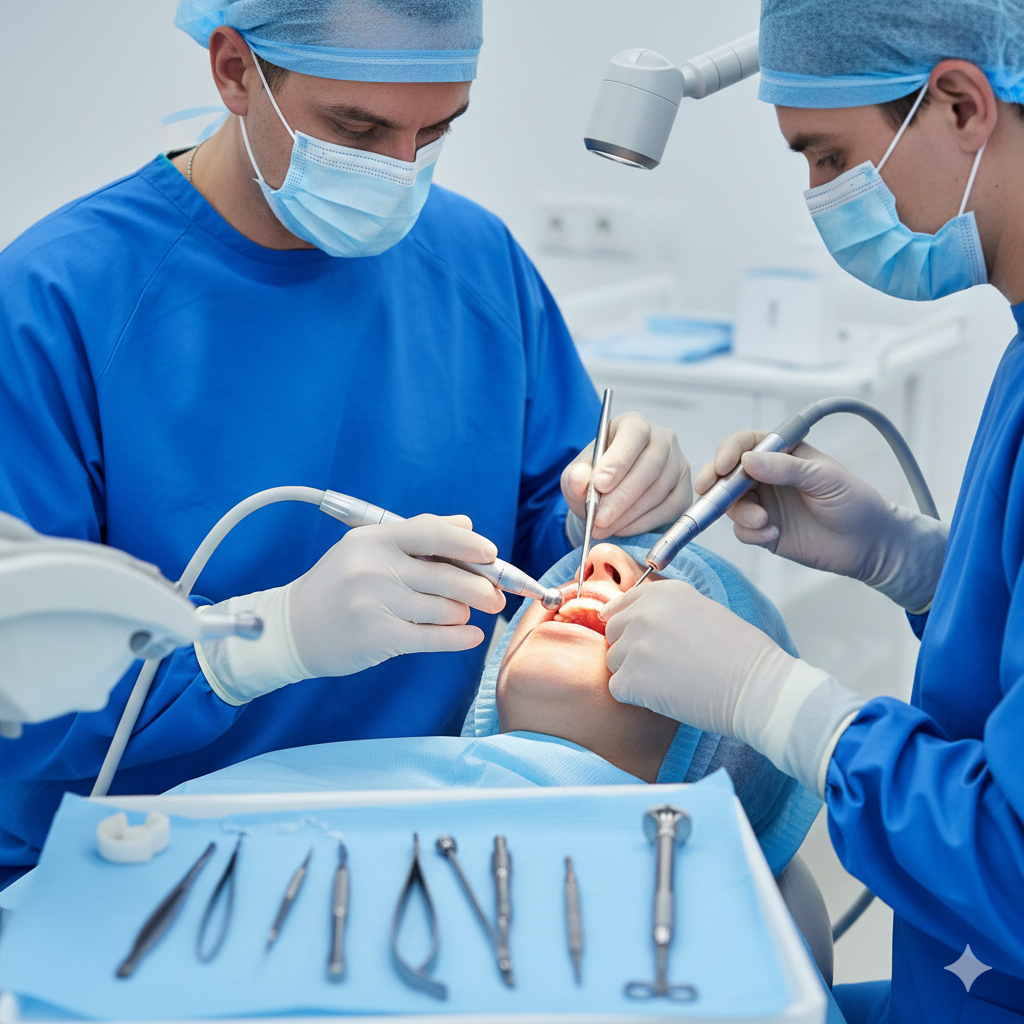
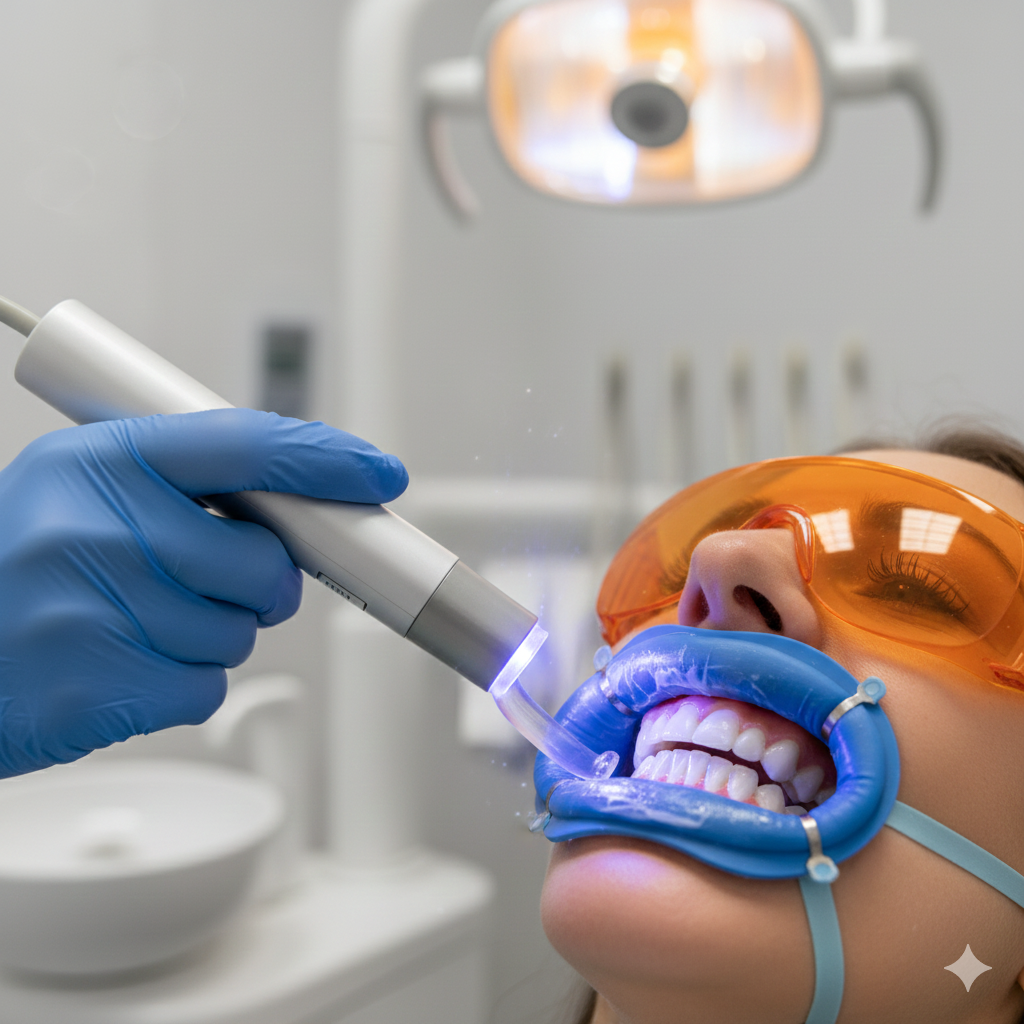
Professional dental bleaching at Shekhar Dental Clinic utilizes pH-buffered hydrogen peroxide gel under complete gum isolation (a protective rubber barrier shields your gums and lips from chemical contact). The active oxygen molecules penetrate the enamel and break apart long-chain organic stain molecules within the dentin without altering the tooth mineral matrix. An LED or laser light source activates the peroxide to accelerate the reaction. In a single 45–60 minute clinical session, teeth brighten by 4 to 8 shades measured on a Vita shade guide — with zero enamel damage when performed professionally.
Who is Not a Candidate for Teeth Whitening?
Whitening is not suitable for everyone:
- Patients with active gum disease, exposed root surfaces, or untreated cavities — bleaching open wounds causes severe pain and must be done only on a healthy dentition.
- Pregnant or breastfeeding patients — professional bleaching is deferred until after nursing is complete.
- Patients under 18 — enamel is still maturing and bleaching is not recommended.
- Patients with crowns, veneers, or composite resin fillings on front teeth — whitening gel does not alter ceramic or resin materials. New restorations must be matched to your whitened shade after the procedure.
- Patients with severe tetracycline intrinsic staining — deep grey-brown banding may require porcelain veneers instead of bleaching for satisfactory results.
Maintaining Your Whitening Results
After professional bleaching at Shekhar Dental Clinic, results last 1–2 years with these maintenance practices:
- Avoid staining foods and beverages (coffee, tea, cola, wine, turmeric) for 48 hours immediately after whitening — the pores of the enamel are temporarily enlarged by the bleaching process.
- Use a straw when drinking dark-colored beverages to minimize enamel contact.
- Brush within 30 minutes of consuming staining substances to prevent pigment bonding.
- Schedule 6-monthly professional ultrasonic scaling (₹1,000) to remove accumulated surface stains.
- A touch-up at-home whitening tray provided by your dentist can extend results by an additional 6–12 months.