
Why Do Wisdom Teeth Cause So Much Trouble?
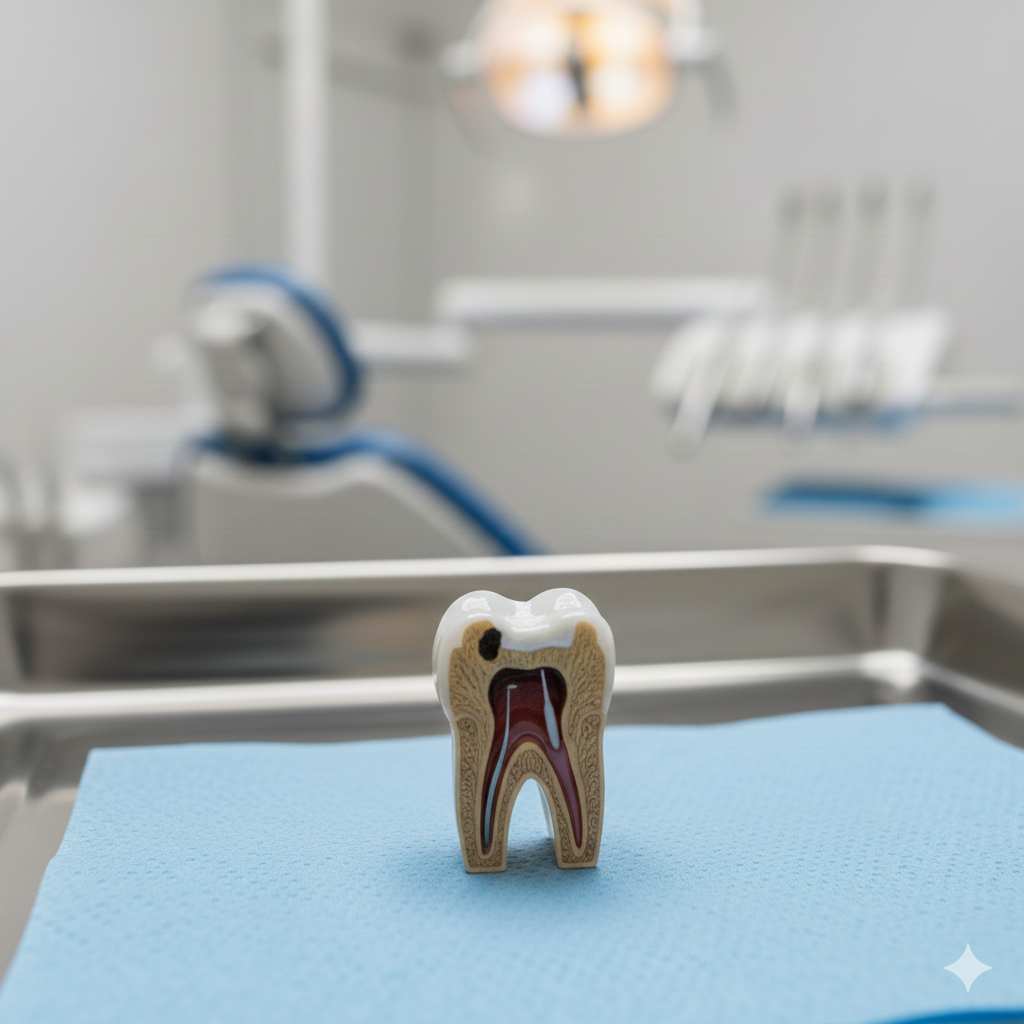
Wisdom teeth (third molars) usually attempt to emerge between the ages of 17 and 25. Because modern human jaws are on average 11–12 mm shorter than those of our ancestors 10,000 years ago — due to dietary and evolutionary changes — these teeth often become impacted. Impaction means the tooth cannot erupt into a normal functional position and instead grows sideways, tilts at an angle, or becomes trapped entirely beneath the gumline and jawbone. According to the American Association of Oral and Maxillofacial Surgeons, approximately 90% of people have at least one impacted wisdom tooth in their lifetime.
5 Critical Symptoms You Must Not Ignore
If you notice any of the following symptoms, schedule a diagnostic digital X-ray immediately at Shekhar Dental Clinic:
- 1. Swollen, red, or bleeding gums at the very back of your lower jaw — a hallmark sign of pericoronitis (infection of the gum flap covering a partially erupted wisdom tooth).
- 2. Persistent dull ache or throbbing pressure radiating toward your ear, temple, neck, or even causing headaches on one side — caused by impaction pressure on adjacent structures.
- 3. Unpleasant taste, chronic bad breath (halitosis), or visible pus discharge near the rear molars — indicating bacterial infection under the gum flap.
- 4. Stiffness and difficulty opening your mouth (trismus) while eating or yawning — caused by spreading infection inflaming the jaw-opening muscles.
- 5. Crowding or sudden shifting of front teeth despite no other orthodontic causes — forward pressure from a horizontally impacted wisdom tooth pushing all other teeth together.
Types of Wisdom Tooth Impaction
Understanding your specific type of impaction helps explain the surgical approach your dentist will use:
- Mesial (Angular) Impaction: The most common type — tooth tilts at 45 degrees toward the second molar. Requires sectioning the tooth into 2 pieces for safe removal.
- Horizontal Impaction: Tooth lies completely on its side, directly pressing against the second molar root. Requires bone removal and tooth sectioning under local anesthesia.
- Vertical Impaction: Tooth is upright but blocked by bone — often extractable with minimal surgical intervention.
- Distal Impaction: Tooth tilts backward away from the second molar — rare but can be surgically complex.
- Soft Tissue Impaction: Tooth has erupted through the bone but remains partially covered by gum — pericoronitis risk is highest with this type.
What Does the Surgical Removal Involve?
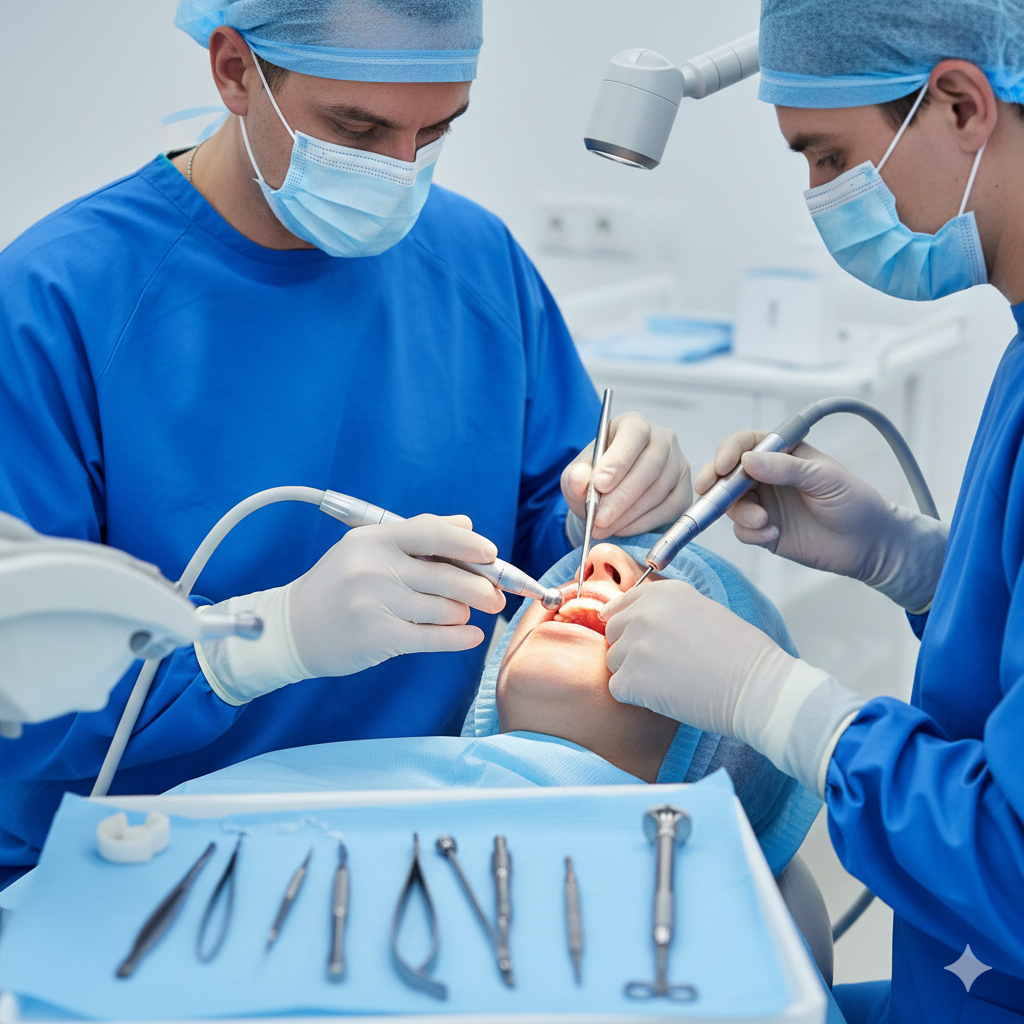
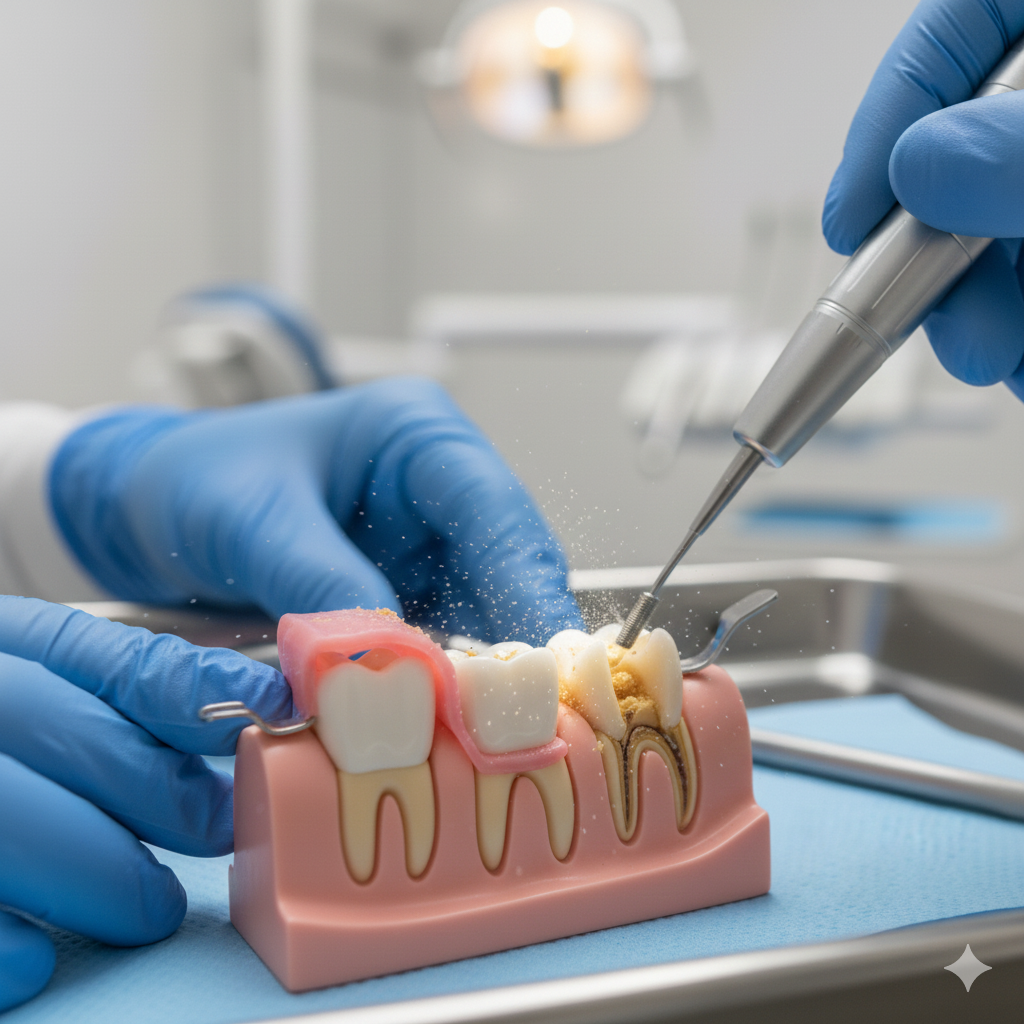
At Shekhar Dental Clinic, wisdom tooth extractions are performed as minor outpatient procedures under targeted local anesthesia. The entire procedure takes 20–40 minutes depending on the impaction type. Dr. Prakash Thakur makes a small incision in the gum, removes any bone obstructing the tooth, sections the tooth if necessary, and removes it in segments. The site is cleaned thoroughly, and dissolvable stitches are placed. Most patients resume work within 2–3 days with prescribed anti-inflammatory medications, antibiotics, and cold compresses.
Post-Extraction Recovery: Day-by-Day Guide
What to expect after wisdom tooth removal:
- Day 1: Bite firmly on the gauze pad for 45 minutes. Mild bleeding and swelling are normal. Do not rinse, spit forcefully, or use a straw — negative pressure dislodges the healing clot.
- Day 2–3: Swelling peaks. Apply ice pack (20 min on, 20 min off) to the cheek. Take medications as prescribed. Eat soft foods: soups, yoghurt, mashed dal, banana.
- Day 4–5: Swelling begins subsiding. Warm salt water rinses (half teaspoon salt in a glass of warm water) can begin after 24 hours. Pain significantly reduces.
- Day 7: If non-dissolving sutures were used, return to clinic for stitch removal. Most patients are comfortable eating semi-solid foods.
- Week 2–4: Complete healing of gum tissue. Underlying bone remodeling continues for 2–3 months.
Dry Socket: Recognizing and Preventing This Common Complication
Dry socket (alveolar osteitis) occurs in approximately 2–5% of simple extractions and 25–30% of complex impacted wisdom tooth removals. It happens when the protective blood clot is dislodged from the extraction socket prematurely, leaving the bone exposed. Symptoms include severe, throbbing pain starting 3–4 days after surgery, a visible empty socket, and bad taste. At Shekhar Dental Clinic, dry socket is treated by gently irrigating the socket and packing it with a medicated dressing for immediate pain relief — do not try to manage this at home. Prevention: avoid smoking for at least 72 hours, no straws, no forceful spitting.